
Affiliate disclosure This page contains affiliate links. If you buy through them, BakeClass earns a commission at no extra cost to you. As an Amazon Associate, BakeClass earns from qualifying purchases.
Most people are a bit nervous before their first baking class. The worry that everyone else will know what they're doing and you'll be the one fumbling with a piping bag is almost universal. It passes within ten minutes. The instructors know you're new, the format is designed around it, and by the halfway point you'll have forgotten you were ever worried.
Here's what we've learned from covering hundreds of UK baking schools about what makes a great first class, and how to choose the right one.
What Actually Happens
The format varies, but most UK baking classes follow a similar shape. You arrive, you're shown to a workstation with your ingredients pre-weighed and equipment laid out, and the instructor talks through the session. Then you get stuck in.
Classes typically run two to four hours. Shorter workshops focus on one thing - a sourdough loaf, a batch of macarons, a specific cake - while full-day sessions cover more ground and usually include lunch. At the end, you eat what you've made together and take the rest home.
What matters is the format, and there are three you'll encounter:
Hands-on is the most common and the one we'd recommend for a first class. You do everything yourself - weigh, mix, knead, shape, bake - with the instructor guiding you through each step. You leave having made something entirely with your own hands, which is a feeling that stays with you.
Demonstration-led means watching a professional work and then replicating what they've shown you, sometimes with pre-prepared elements. At their best, these are fascinating - watching a skilled pastry chef laminate croissant dough teaches you things a hands-on class can't. But if you're expecting to do all the work yourself, check the description carefully. Phrases like "demonstration with tastings" or "watch and learn" are your cues.
Competitive experiences like The Big London Bake put you in teams for Bake Off-style challenges. Less about refining technique, more about having a great time. Brilliant for birthdays, hen dos, and anyone who'd rather laugh than stress about their lamination.
Choosing the Right Class
What to Make First
Yeasted bread is the best first class for most people. It's physical, it's forgiving, the margin for error is wide, and pulling a warm loaf out of the oven that you shaped with your own hands is a feeling that's hard to match. You don't need any prior skill, and the core techniques - mixing, kneading, shaping, understanding how dough behaves - transfer to almost everything else in baking. Browse bread making classes on BakeClass.
Cake decorating is the other strong starting point, especially if you're drawn to the creative and visual side. Most cake decorating classes start from absolute zero and build up, and you leave with something that looks impressive regardless of experience.
Patisserie and sourdough are rewarding but more demanding - they involve longer processes, more precision, and techniques that genuinely benefit from repetition. They're wonderful classes, but if you're choosing your very first one, yeasted bread or cake decorating will give you a better ratio of confidence to challenge.
Class Size Makes a Real Difference
Small classes (under 10) mean more time with the instructor and a pace that flexes around you. Gourmandises Academie in Cambridge and Birch House Bakery in Haywards Heath both run sessions small enough that the instructor knows your name and can step in before you go wrong. If you're attending alone or you're genuinely anxious about keeping up, a smaller class removes most of the pressure.
Larger classes (10-20) have more energy. You're working alongside more people, the room has a buzz, and you tend to learn partly from watching those around you. Bread Ahead at Borough Market runs classes at a size that balances social atmosphere with enough instructor attention - big enough to feel like an event, small enough that you're not anonymous.
Group experiences (20+) like Underground Cookery School are built for corporate events, celebrations, and groups of friends who want a shared experience. The teaching is lighter, the fun is cranked up, and the structure keeps large groups moving together.
What the Price Should Include
UK baking classes typically run from around £40 for a two-hour workshop to £150+ for a full day at a premium school. The price alone doesn't tell you much - what matters is what's included. Ingredients and equipment are almost universal, but check whether you also get lunch or refreshments, recipe cards to take home, and how much of what you bake you keep. A £120 full-day class that includes lunch, drinks, and a generous take-home is a different proposition from a £120 half-day without.
Cancellation Policies
Most schools have strict cancellation terms because they order fresh ingredients in advance. Check before you book: some offer refunds up to a week out, others are non-refundable but will let you transfer to a different date. If your plans might change, gift vouchers are usually more flexible than dated bookings.
Skill Level Genuinely Doesn't Matter
This is the single biggest barrier to people booking, and it's almost entirely unfounded. The vast majority of baking classes are built for beginners. Good instructors have taught hundreds of people who've never kneaded dough or switched on a stand mixer, and they're skilled at setting a pace that challenges without overwhelming.
Devon Cookery School and The Cooking Academy in Rickmansworth are particularly strong here - the kind of schools where nervous first-timers leave genuinely believing they can bake. If a class requires prior experience, it will say so clearly. "Beginners welcome" and "suitable for all abilities" mean exactly what they say.
What Separates a Great Class from an Average One
After covering this many schools, a pattern emerges. The best baking classes share a few things:
Instructors who teach the why, not just the how. Anyone can follow a recipe. The classes people remember are the ones where the instructor explains why you fold butter at that temperature, why the dough needs to rest for that long, why your oven at home will behave differently. That understanding is what lets you bake at home afterwards, rather than being dependent on someone walking you through it.
A pace that includes mistakes. If everything is rushed and perfect, you're probably watching rather than learning. The best classes build in time for things to go slightly wrong, because that's where the real teaching happens - the instructor showing you how to rescue an overworked pastry or adjust a dough that's too wet.
The bit at the end. Sitting down together and eating what you've all made is one of those quietly brilliant things about baking classes. It's social without being forced, and there's something grounding about sharing food you made an hour ago with people you met two hours ago.
One practical note: if you have allergies or dietary requirements, mention them when you book rather than on the day. Schools accommodate these readily, but they need advance notice to source alternative ingredients.
A Few Things Worth Knowing
You'll make a mess. Flour gets everywhere. Chocolate finds surfaces you didn't know existed. The school handles cleanup, which is one of the great luxuries over baking at home.
Going alone works well. Baking gives you something immediate and shared to talk about, which removes the awkwardness that comes with most solo social activities. Gourmandises Academie is especially welcoming if you're attending on your own.
It's a better gift than you'd think. More on this in our gift guide, but baking classes are one of those gifts people consistently say they'd never have booked for themselves and loved more than they expected. Vouchers work better than specific dates.
You'll be back. The Avenue Cookery School in London, Devon Cookery School, and Kent Cookery School all have regulars who return again and again for different cuisines and techniques. The question quickly shifts from "should I try one?" to "which one next?"
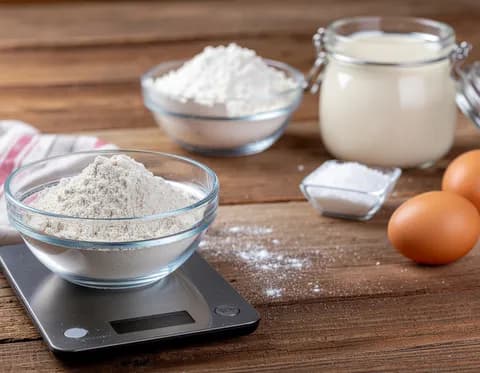
Digital Kitchen Scale
The one piece of kit every baker should own. Under £15.
Find Your First Class
- Bread Making - the best starting point for most people
- Cake Decorating - for the creative and visual side
- Patisserie - for the ambitious
- Sourdough - for the patient
If you're in or near the capital, our London Baking Classes Guide has specific recommendations across the city.
Steven Foers is the founder of BakeClass, a directory of baking schools across the UK.

